Our Structure
The Somali Livelihood Initiative and Disability Organization (LIDOSOM) operates through a comprehensive and well-coordinated organizational structure designed to ensure strong governance, effective program delivery, accountability, and sustainability. The structure promotes transparency, inclusiveness, and community participation at all levels of operation.
1. General Assembly (Advisory Level)
The General Assembly consists of founding members and key stakeholders who provide high-level guidance and advisory support. It plays a critical role in safeguarding the organization’s mission, endorsing strategic directions, and ensuring that LIDOSOM remains aligned with its core objectives and community needs.
2. Board of Directors
The Board of Directors is the highest governing body of LIDOSOM. It provides strategic oversight, policy direction, and governance. The Board ensures:
- Compliance with legal and regulatory frameworks
- Accountability and transparency in operations
- Approval of strategic plans, budgets, and policies
- Oversight of risk management and organizational performance
3. Executive Leadership (Executive Director & Senior Management Team)
The Executive Director is responsible for the overall leadership and day-to-day management of the organization. Supported by a Senior Management Team (SMT), this level ensures:
- Strategic plan implementation
- Organizational growth and partnership development
- Resource mobilization and donor engagement
- Coordination between departments and field operations
4. Programs and Technical Departments
These departments are responsible for the design and implementation of sector-specific interventions:
- Livelihoods & Economic Empowerment Unit
Focuses on income-generating activities, vocational training, and financial inclusion. - Disability Inclusion Unit
Promotes accessibility, rights, and inclusion of persons with disabilities in all programs. - Protection Unit (Women & Children)
Addresses gender-based violence (GBV), child protection, and safeguarding concerns. - WASH Unit (Water, Sanitation, and Hygiene)
Implements water supply, sanitation facilities, and hygiene promotion initiatives. - Emergency Response & Resilience Unit
Provides rapid humanitarian assistance and supports disaster risk reduction and recovery.
Each unit is staffed with technical specialists and field officers who ensure quality, relevance, and impact.
5. MEAL Unit (Monitoring, Evaluation, Accountability, and Learning)
The MEAL Unit plays a central role in ensuring program quality and accountability by:
- Tracking performance indicators and outcomes
- Conducting assessments, evaluations, and learning reviews
- Managing feedback, complaints, and response mechanisms (CFM)
- Supporting evidence-based decision-making and reporting
6. Finance, Administration, and Compliance
This department ensures sound financial and administrative management through:
- Budgeting, accounting, and financial reporting
- Procurement and logistics management
- Asset and inventory control
- Compliance with donor and statutory requirements
- Internal controls and audit coordination
7. Human Resources and Capacity Development
The HR unit ensures that LIDOSOM maintains a competent and motivated workforce by:
- Recruiting qualified and diverse staff
- Providing training and professional development
- Managing performance appraisal systems
- Promoting staff welfare, safety, and well-being
8. Partnerships, Coordination, and External Relations
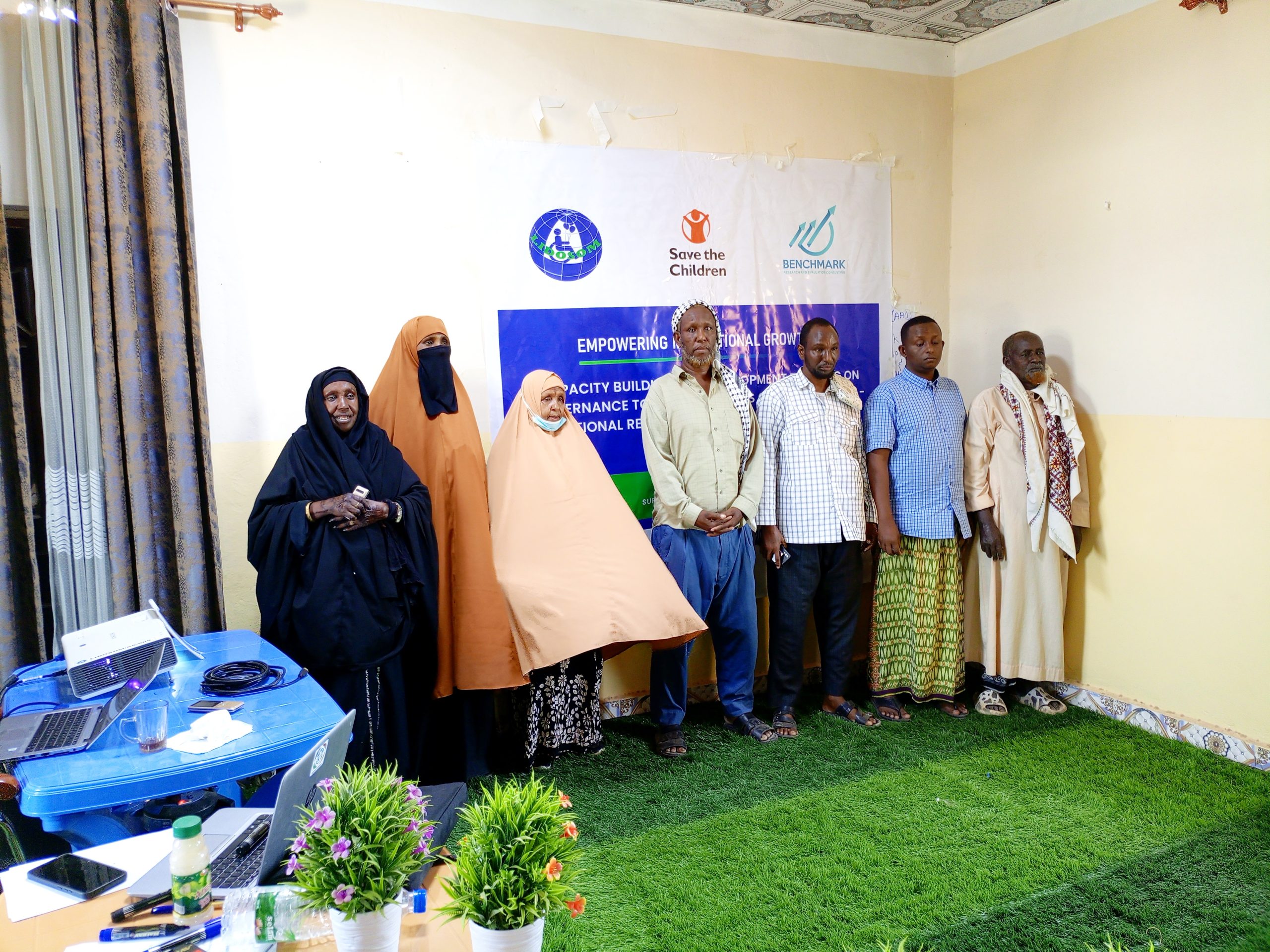
This function strengthens collaboration with:
- Government institutions
- National and international NGOs
- UN agencies and donors
- Community-based organizations
It supports coordination, advocacy, and resource mobilization efforts.
9. Field Offices and Community Structures
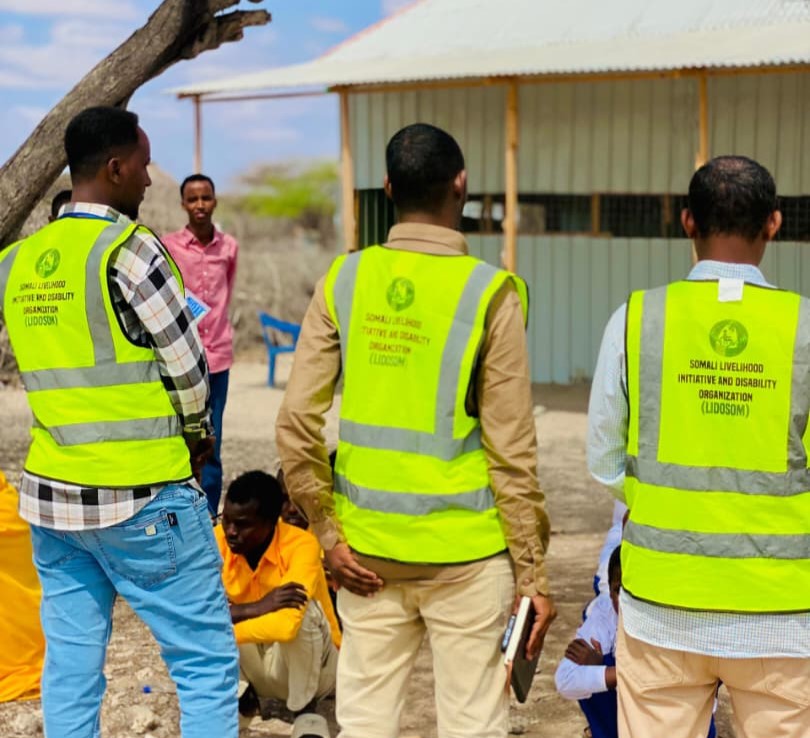
LIDOSOM operates through its headquarters in Luuq and sub-office in Mogadishu, supported by field teams and community-based structures, including:
- Community committees
- Disability groups
- Women and youth groups
- Camp management committees
These structures ensure strong community engagement, participation, and ownership of interventions.
10. Cross-Cutting Functions
Across all departments, LIDOSOM integrates key cross-cutting principles:
- Gender equality and social inclusion (GESI)
- Protection mainstreaming and safeguarding
- Accountability to affected populations (AAP)
- Do No Harm and conflict sensitivity
Conclusion
LIDOSOM’s organizational structure is designed to enhance efficiency, accountability, and impact. By combining strong governance, technical expertise, and community-driven approaches, the organization ensures that its interventions are inclusive, responsive, and sustainable—effectively serving vulnerable populations across Somalia.