NGOs’ Open Letter to Donors
We, the undersigned NGOs working across Somalia, raise the alarm for millions of Somalis facing an imminent life-threatening hunger. Lives are hanging in the balance. Immediate and decisive action is required to prevent large-scale loss of life.
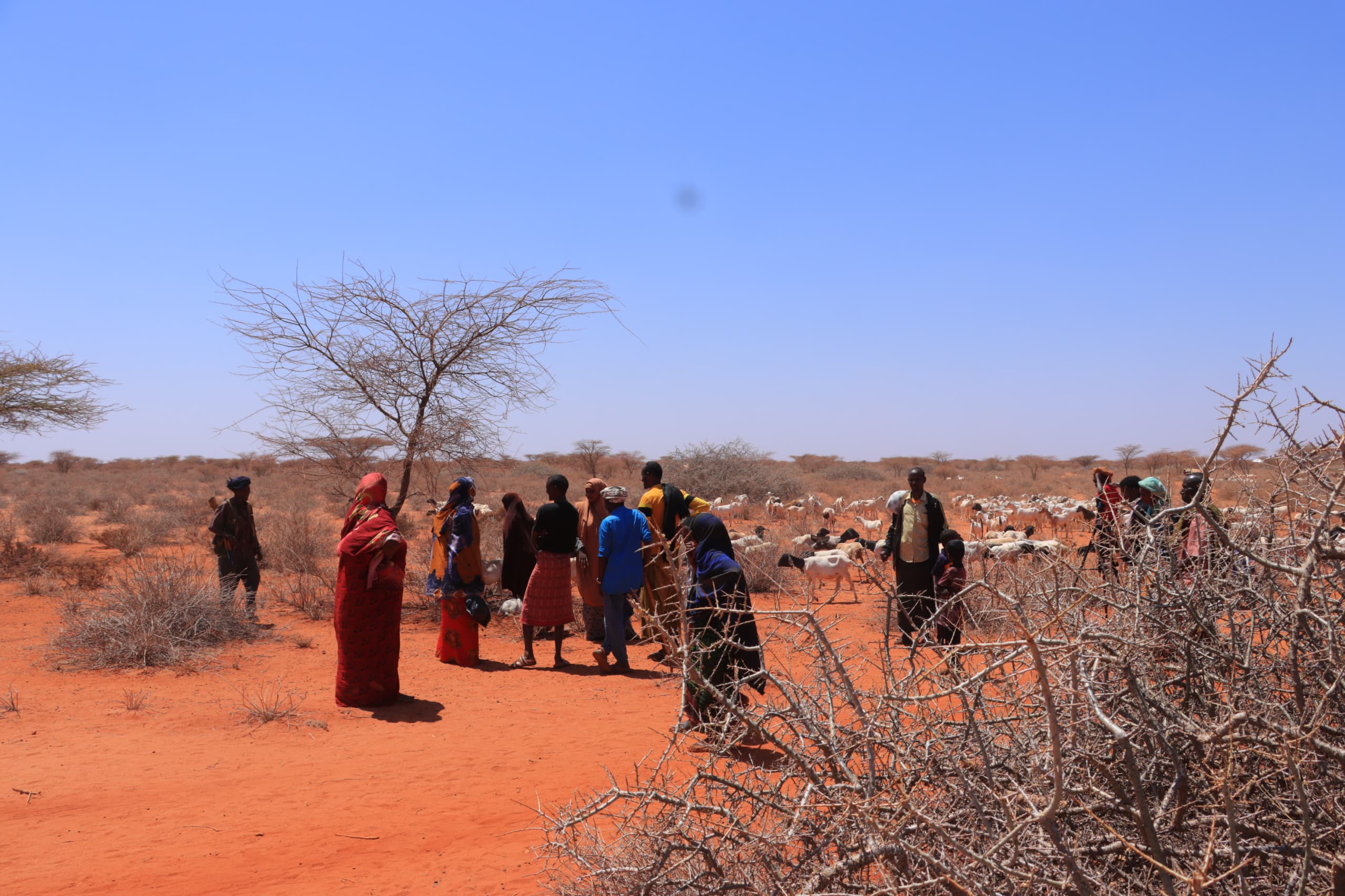
According to the latest analysis by Integrated Food Security Phase Classification (IPC), a staggering 6.5 million people in Somalia are facing high levels of acute food insecurity from February to March which is nearly double the population classified in IPC Acute Food Insecurity (AFI) Phase 3 or above – a crisis level in August 2025. An estimated 1.85 million children below the age of five are expected to suffer acute malnutrition, including 483,000 cases of severe acute malnutrition (SAM) that require urgent treatment. This escalation signals a rapid decline in child survival prospects and requires an immediate response.
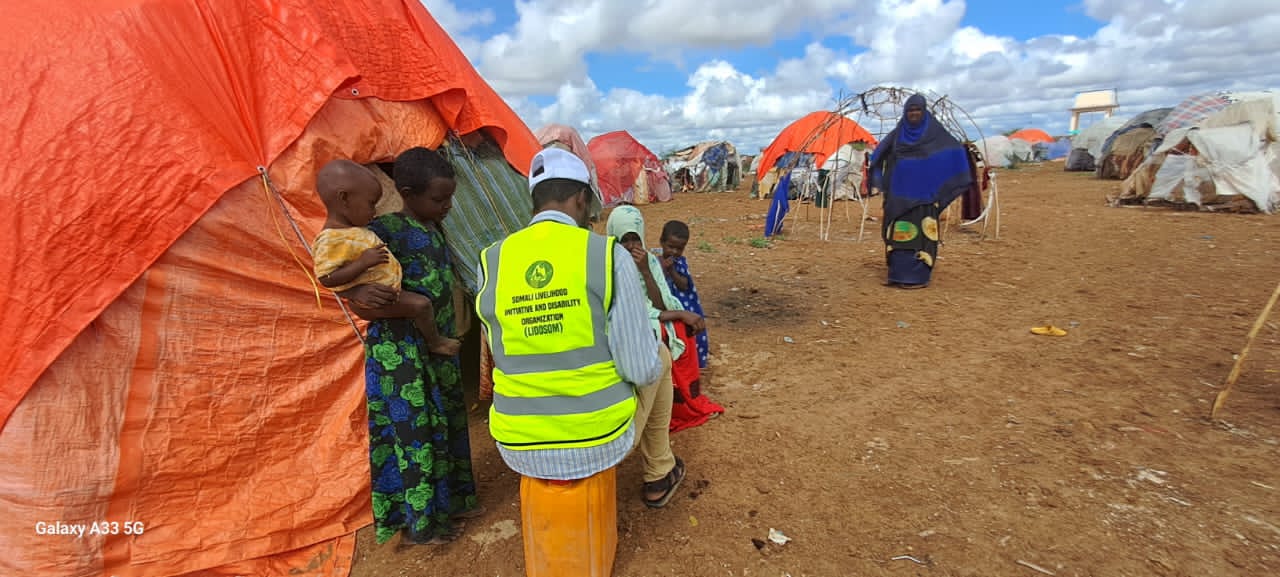
These are not abstract statistics. They represent children too weak to cry, mothers skipping meals for days so their children might survive, and families uprooted by drought, floods and conflicts they did not create but bear brunt of.
Women and girls are bearing the heaviest burden. Repeated displacement, overcrowded settlements, and long journeys to fetch water and firewood expose them to heightened risks of gender-based violence. Hunger is eroding not only food security but also protection, hope and survival.
Famine is not inevitable. It is preventable and can be mitigated.
The current situation is markedly different from the drought crisis of 2022–2023. At that time, many NGOs still had limited but critical funding that enabled them to meet at least the most essential needs of vulnerable communities. Today, Somalia faces significant funding cuts from traditional donors, severely constraining the humanitarian response and pushing the country closer to catastrophe.
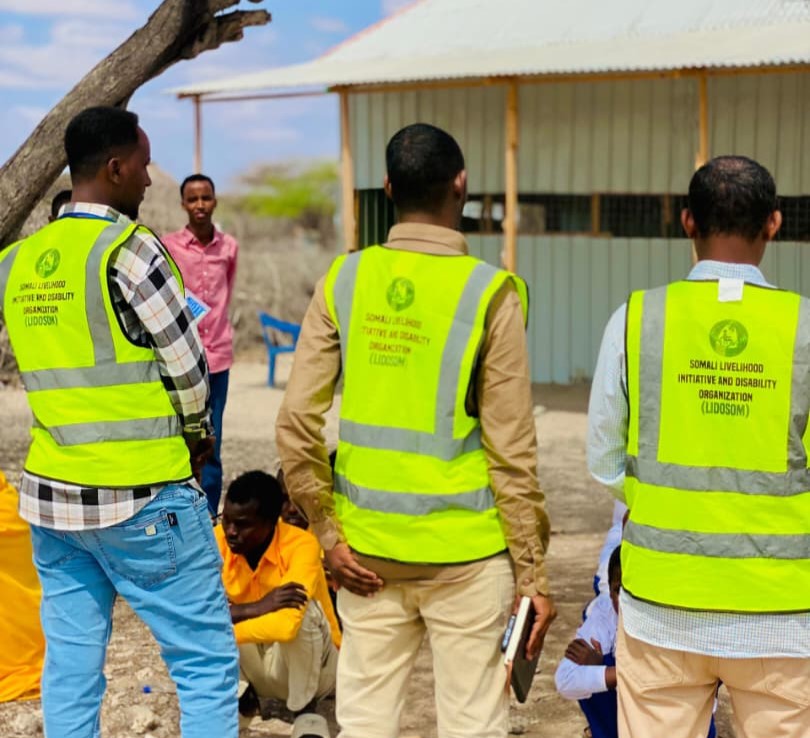
Although some NGOs have shut down due to the funding cuts, many NGOs remain operational across Somalia. We have still access, community trust and technical capacity to deliver life-saving assistance that include nutrition services, water, sanitation, health care, and protection support on a scale. What we lack are urgent and sufficient resources that enable durable solutions to be achieved in Somalia.
In 2022, famine was successfully averted thanks to the timely generosity of donors, which enabled a coordinated scale-up of humanitarian assistance, including strong engagement of Somali Government capacities. This coordinated response demonstrated that early, flexible fundings save lives and prevents food insecurity and acute malnutrition from escalating to famine (IPC Phase 5).
We therefore call upon institutional and bilateral donors including the US Government, European Commission (including DG ECHO), UK Foreign, Commonwealth & Development Office (FCDO), Swedish International Development Cooperation Agency (SIDA), German Federal Foreign Office, Norwegian Ministry of Foreign Affairs, World Bank, and Gulf-based humanitarian funds and philanthropic foundations to urgently increase contributions toward the 2026 Humanitarian Response Plan (HRP). The plan, which seeks 852 million USD to reach 4.8 million people in need of urgent assistance, is currently significantly underfunded.
We further urge donors to:
•Provide early and predictable funding to enable a timely response
•Increase flexible, multi-year and multi-sectoral financing to allow adaptation mechanisms that are locally driven and implemented
•Reduce administrative bottlenecks that delay releasing of life-saving funds
•Invest in national and local responders in life-saving priorities
The cost of inaction will be measured in lost lives, communities being destabilized, and a generation scarred by hunger, resulting in the need for further funding in the future to rectify and respond to the damage caused. Yet the cost of action is far less and protects the lives of Somalis in an effective and sustainable manner.
The world pledged “Never Again” after the 2010–2011 famine that claimed 260,000 lives, half of them children under five. That promise must be translated into action. There is no place for famine in the 21st century. The choices made today will determine whether millions will survive or suffer avoidable tragedy.
The time to act is now.
Signatories
Notes to the Editor:
The Somali NGO Consortium is a network of NGOs working together to improve international aid coordination and raise the presence and profile of NGO representation within the aid coordination structure for Somalia/Somaliland.
—-ENDS—-
For more information or to arrange media interviews contact:
– Abdullahi Noor: advocacy@somalingoconsortium.org
– Nimo Hassan: director@somalingoconsortium.org