Drought Situation in Somalia – 2026
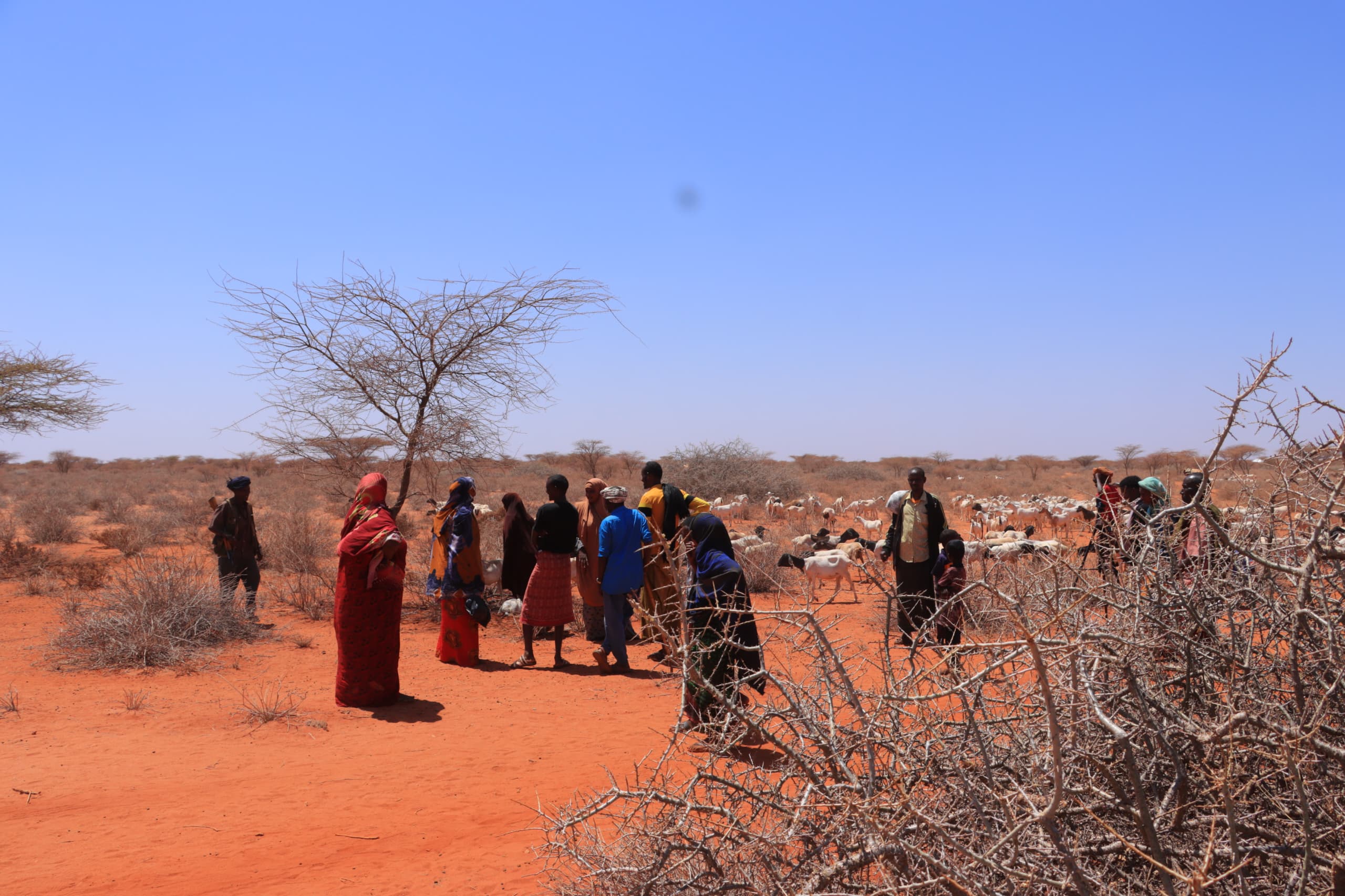
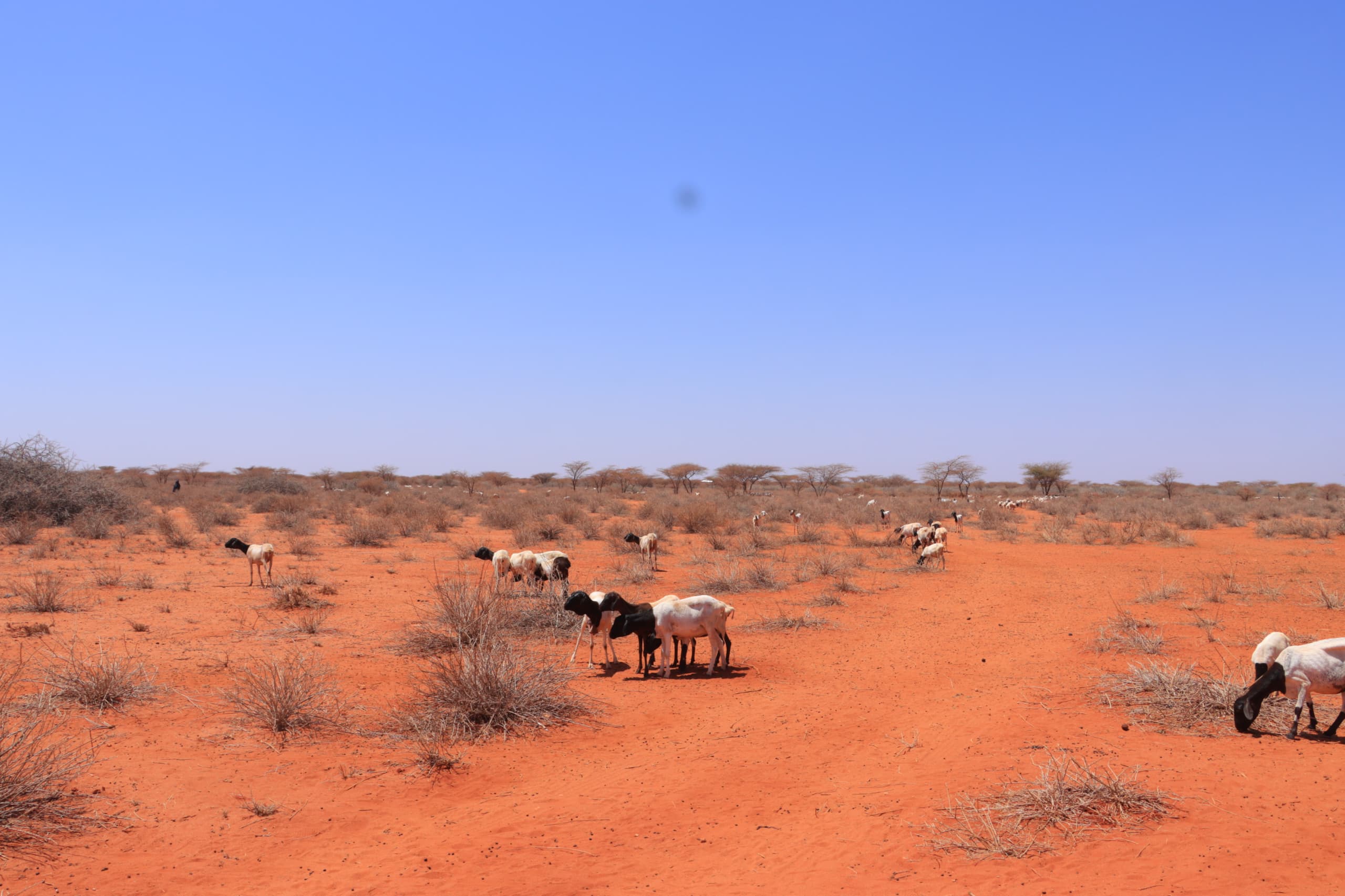
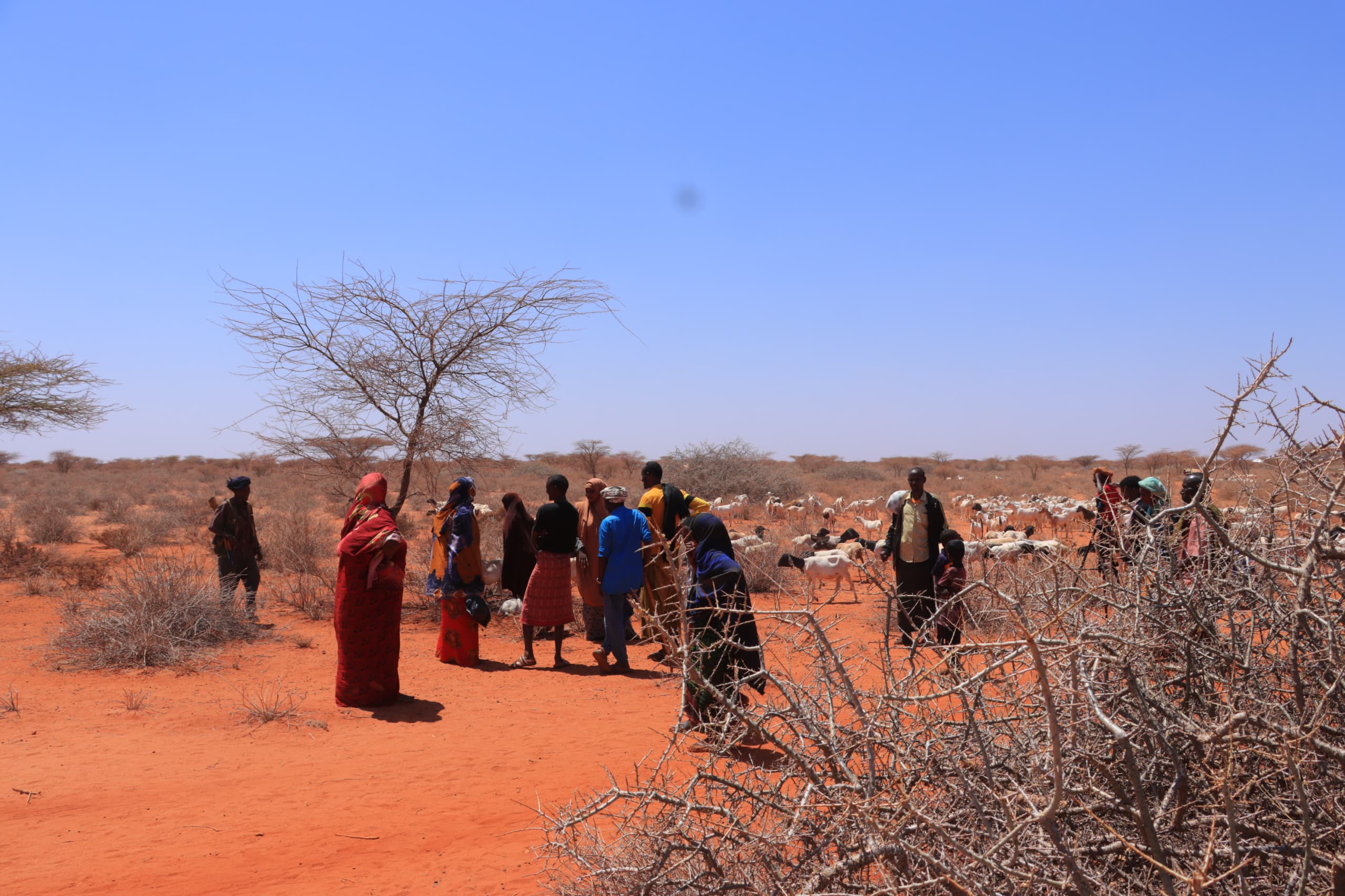
Somalia continues to experience a prolonged and climate-induced drought crisis following consecutive below-average rainy seasons. Erratic rainfall, rising temperatures, and environmental degradation have severely reduced water availability, pasture conditions, and agricultural production across many regions of the country. The drought has become one of the main drivers of food insecurity, poverty, and displacement, particularly affecting pastoralists, agro-pastoralists, and internally displaced persons (IDPs).
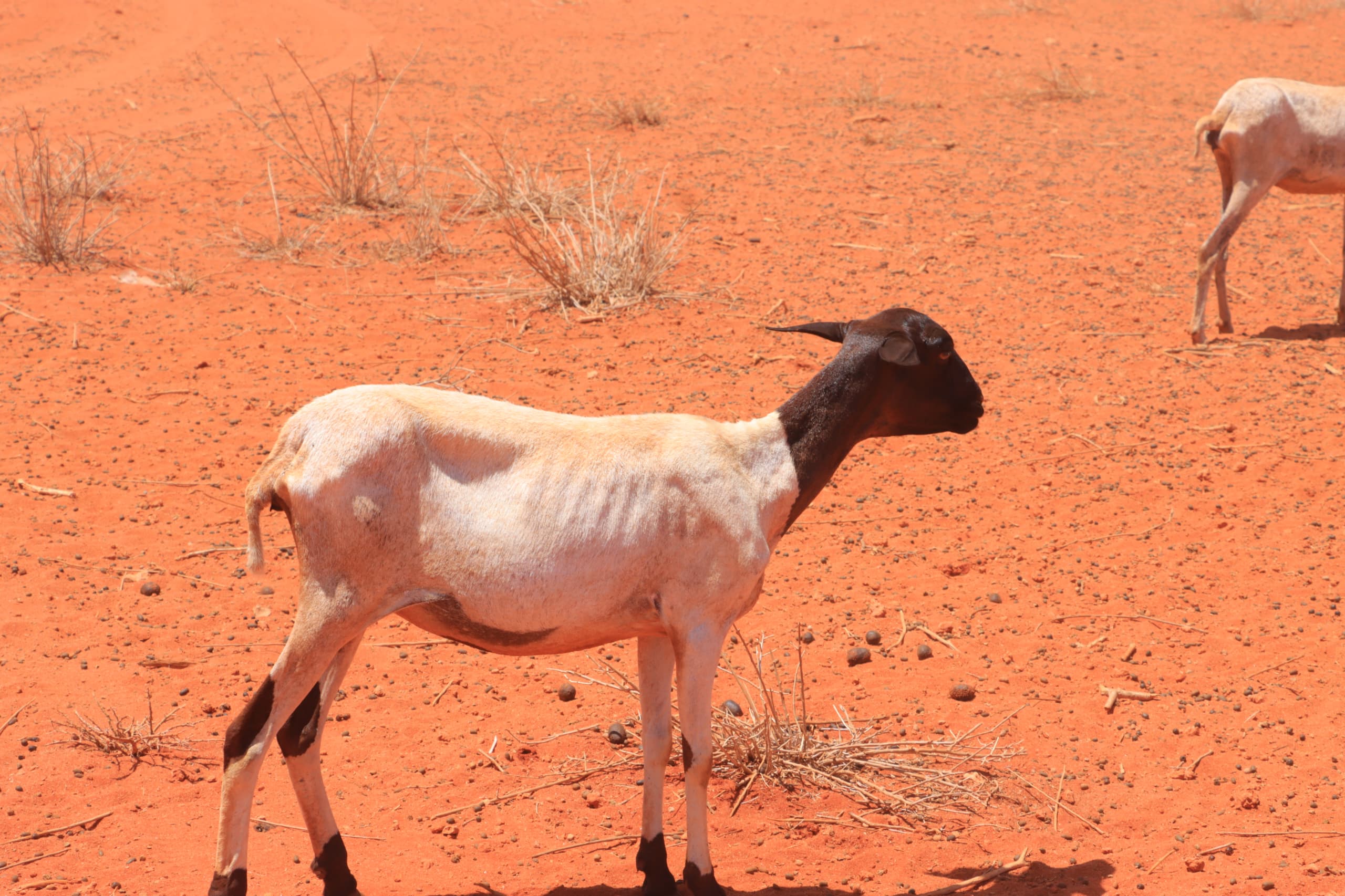
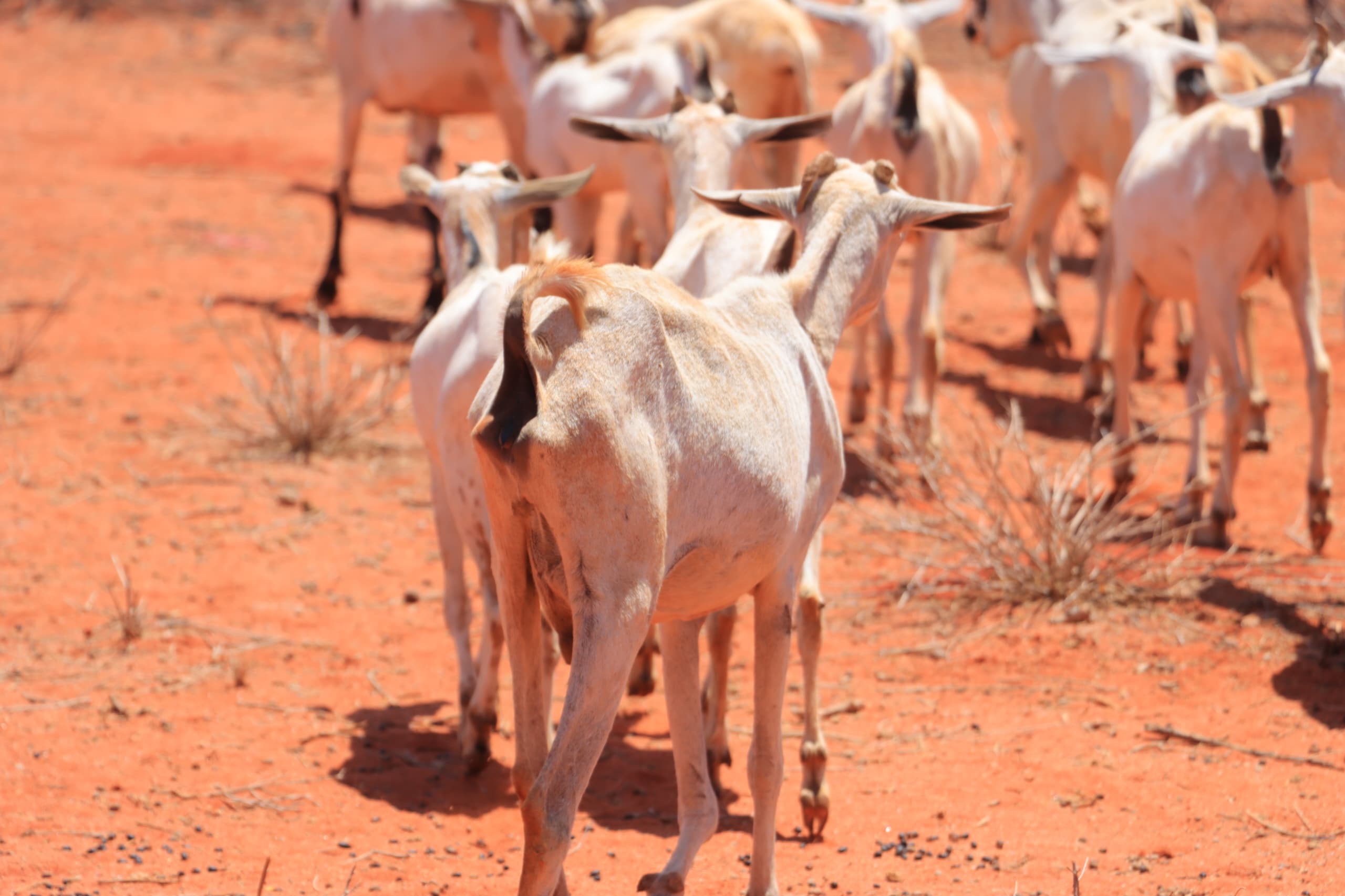
The drought has resulted in widespread livestock losses, crop failure, and depletion of household coping mechanisms, leaving millions of people unable to meet their basic food and water needs. Rural communities have been disproportionately affected as their livelihoods depend heavily on rainfall, grazing land, and small-scale farming. Many families have been forced to sell productive assets, migrate in search of water and pasture, or rely on humanitarian assistance for survival.
Water scarcity remains one of the most critical concerns, with communities facing long trekking distances to access safe water, increased water prices, and reliance on unsafe water sources. This has contributed to the spread of waterborne diseases, poor hygiene conditions, and heightened protection risks, particularly for women and children who are often responsible for water collection.
The drought has also triggered large-scale displacement, pushing vulnerable households into overcrowded IDP settlements where access to shelter, sanitation, health services, and livelihood opportunities is extremely limited. The pressure on host communities has intensified competition over scarce resources, increasing social vulnerability and the risk of conflict.
Children and pregnant or lactating women are experiencing rising levels of acute malnutrition, while access to health and nutrition services remains constrained in hard-to-reach and insecure areas. The situation is further aggravated by insecurity, economic shocks, and funding gaps that hinder timely humanitarian response and recovery interventions.
Priority Humanitarian Needs
Key urgent needs identified include:
- Emergency water supply and rehabilitation of water sources
- Food assistance and livelihood support
- Nutrition services for children and vulnerable groups
- WASH interventions to prevent disease outbreaks
- Shelter and protection support for displaced populations
- Climate resilience and drought recovery programming
LIDOSOM Response and Call for Action
As a national humanitarian and development actor, LIDOSOM is committed to supporting drought-affected communities through integrated interventions including WASH assistance, emergency relief, community resilience strengthening, and protection of vulnerable populations. LIDOSOM also advocates for increased humanitarian funding, stronger coordination, and long-term climate adaptation strategies to reduce the recurring impact of drought in Somalia.
Without sustained humanitarian assistance and investment in resilience, the drought is likely to deepen existing vulnerabilities and prolong the humanitarian crisis across Somalia.